



 September 1, 2026
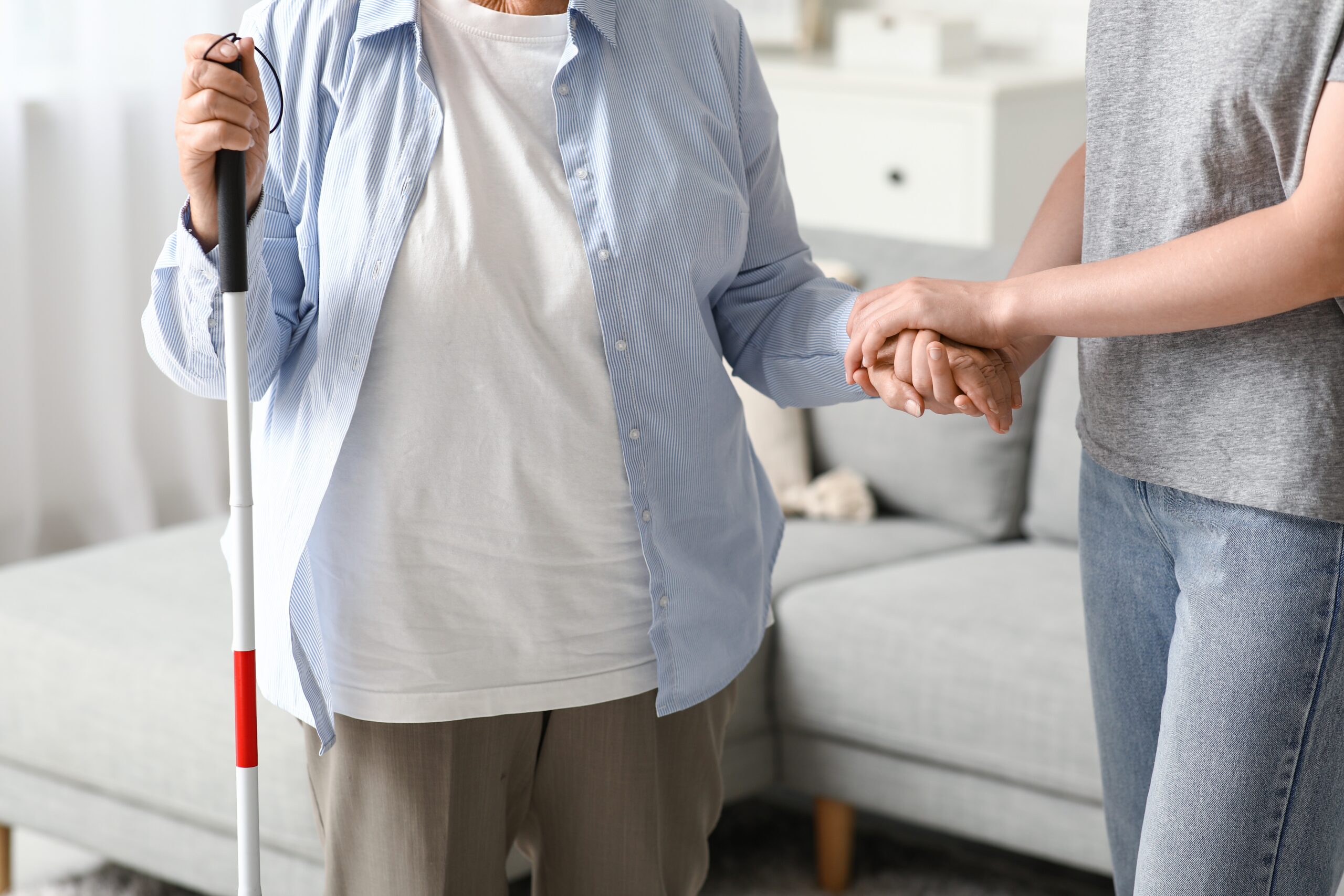
Home should be a sanctuary of comfort and familiarity. However, as we age, subtle changes in our senses can gradually transform once-safe living spaces into environments filled with quiet hazards. For millions of older adults, sensory loss isn’t limited to just one sense; it often involves simultaneous declines in both vision and hearing.
Conditions like age-related macular degeneration, glaucoma, cataracts, and presbycusis (age-related hearing loss) can make daily navigation, communication, and hazard detection increasingly difficult. Dual sensory impairment significantly increases the risk of accidental falls, medication errors, social isolation, and delayed emergency responses.
The good news is that living with sensory challenges does not mean giving up independence. By implementing targeted environmental adaptations, leveraging assistive technology, and adopting safe daily routines, you can make your home—or your loved one’s home—a safe, accessible, and empowering place to live.
Together we’ll cover:
- Visual safety modifications to eliminate glare, improve lighting contrast, and prevent fall hazards.
- Sensory-friendly adaptations like visual strobe alarms, tactile cues, and background noise management.
- Smart home technologies, structured routines, and professional home care solutions to preserve independence.
Bright Ideas: Visual Safety Modifications for the Home
Vision loss affects how we perceive depth, contrast, light, and spatial relationships. Making a home visually safe goes far beyond simply buying brighter lightbulbs. It requires strategic contrast, glare reduction, and physical obstacle management.
Optimize High-Contrast Lighting and Color Signals
When visual acuity drops, spatial definition relies heavily on high contrast.
- Highlight Key Hazards: Apply high-contrast tape or bright paint to stair treads, door saddles, step-downs, and threshold transitions. A dark strip on a light step helps the eyes recognize elevation changes instantly.
- Define Living Spaces: Place light-colored furniture against dark walls (or vice versa). Use plates, cups, and placemats that starkly contrast with the dining table surface to minimize spills and make mealtime easier.
- Upgrade Controls: Use high-contrast, large-print labels on appliance dials, microwave buttons, and thermostats.
Control Glare and Balance Illumination
Brighter lights aren’t always better if they create blinding glare or deep shadows that hide floor hazards.
- Eliminate Glare: Replace harsh, clear incandescent bulbs with soft, warm LED lighting. Install sheer curtains or blinds to diffuse harsh sunlight streaming through windows.
- Uniform Lighting: Ensure pathways between rooms, hallways, and stairwells have consistent, shadow-free lighting.
- Automatic Wayfinding: Place motion-sensor nightlights along the direct path from the bed to the bathroom. This eliminates the dangerous search for light switches in the dark.
Eliminate Physical Obstacles and Trip Hazards
Falls are the leading cause of injury among seniors, and restricted vision dramatically escalates this risk.
- Remove Loose Rugs: Area rugs and throw rugs are top fall hazards. Either remove them entirely or firmly secure them with heavy-duty, double-sided non-slip rug tape.
- Manage Cables and Cord Clutter: Fasten electrical cords along baseboards away from all walking paths.
- Clear High-Traffic Walkways: Rearrange low-profile furniture like coffee tables, plant stands, and magazine racks out of main walking routes.
Sound Strategies: Hearing Safety and Environmental Awareness
Hearing loss affects more than the ability to engage in conversation. It strips away vital environmental cues that alert us to potential dangers, such as a boiling kettle, a ringing phone, an approaching person, or a sounding smoke alarm.
Transition to Visual Alert Systems
When audible cues are no longer reliable, convert critical sound signals into clear visual alerts.
- Strobe Fire & Smoke Alarms: Upgrade standard smoke and carbon monoxide detectors to specialized systems equipped with high-intensity, flashing strobe lights designed to wake sleeping individuals.
- Visual Doorbell and Phone Alerts: Install visual signals that cause room lights or dedicated LED units to flash whenever someone rings the doorbell or calls the phone.
Utilize Tactile and Vibrating Devices
Tactile feedback is one of the most effective alternatives for sensory communication when visual and auditory signals fail.
- Vibrating Alarm Systems: Bed-shaking alarm units or wearable vibrating wristbands can alert individuals to wake up, take scheduled medications, or respond to emergency alerts.
- Tactile Appliance Markings: Apply raised silicone dots (Bump Dots) to frequently used settings on microwaves, washing machines, and ovens so appliances can be set by feel alone.
Reduce Background Acoustic Interference
Background noise makes interpreting essential sound cues vastly more difficult for those using hearing aids or managing partial hearing loss.
- Acoustic Dampening: Add sound-absorbing elements like thick drapery, padded rugs, and upholstered furniture to cut down on echoing in rooms with hard surfaces.
- Minimize Distractions: Turn off background televisions or radios when having conversations or performing tasks that require focus.
Smart Home Technology and Modern Assistive Tools
Modern technology offers powerful ways to bridge the gap for individuals living with combined vision and hearing impairments.
- Voice-Activated Smart Assistants: Devices like Amazon Alexa or Google Assistant allow seniors to control smart lights, adjust thermostats, set verbal reminders, and call family members completely hands-free.
- Smart Video Doorbells: These devices send immediate notifications to smartphones or tablets, allowing family members or residents to visually verify visitors from anywhere in the house.
- Medical Alert Systems with Fall Detection: Wearable emergency response pendants equipped with automatic fall detection ensure help is dispatched immediately, even if the wearer cannot press a button or speak to an operator.
Essential Daily Routines and Environmental Organization
Environmental modifications work best when paired with predictable, organized daily habits.
- “A Place for Everything, and Everything in Its Place”: Maintain absolute consistency in where everyday items such as keys, glasses, phones, medications, and mobility aids are stored. Predictability reduces frustration and prevents accidental falls caused by searching through clutter.
- Clear Communication Protocols: Family members and visitors should always approach a sensory-impaired senior from the front, make visual contact before speaking, speak clearly at a natural pace without shouting, and reduce background noise first.
- Visual and Tactile Emergency Plans: Keep a large-print, high-contrast list of emergency contacts, medical conditions, and current medications right next to the home telephone or primary resting area.
Partnering with Accessible Home Health Care
Adapting a home for sensory challenges can feel overwhelming, but you don’t have to navigate it alone. Accessible Home Health Care is dedicated to helping seniors live safely, comfortably, and independently in their own homes.
Our experienced team provides:
- Comprehensive Home Safety Assessments: Evaluating every room of your home to identify potential hazards, light deficiencies, and accessibility barriers.
- Personalized Care Plans: Tailoring daily living support to match your loved one’s unique sensory, physical, and cognitive needs.
- Dedicated Caregiver Support: Providing a trusted pair of eyes and ears to assist with mobility, meal preparation, medication reminders, and light housekeeping, keeping pathways clear and safe.
Protect Your Loved One’s Safety and Independence Today
Sensory changes are a natural part of aging, but they don’t have to compromise safety or quality of life at home. Contact Accessible Home Health Care today to discover how our compassionate home care services can bring peace of mind to your family.